Chat Now
Abhishek Nethradhama

Typically replies instantly

Hi there
How can we help you?

Powered By Channel Softech

Celebrating

Silver Jubilee

Call Now
Call Now WhatsApp

Uveitis is an inflammatory eye condition affecting the uvea that can lead to vision loss if untreated. Early diagnosis and prompt care help prevent complications. At Abhishek Nethradhama, patients receive advanced uveitis evaluation, accurate diagnosis, and personalized treatment to control inflammation and protect long-term eye health and vision.

Eye Checkup

What is Uveitis?

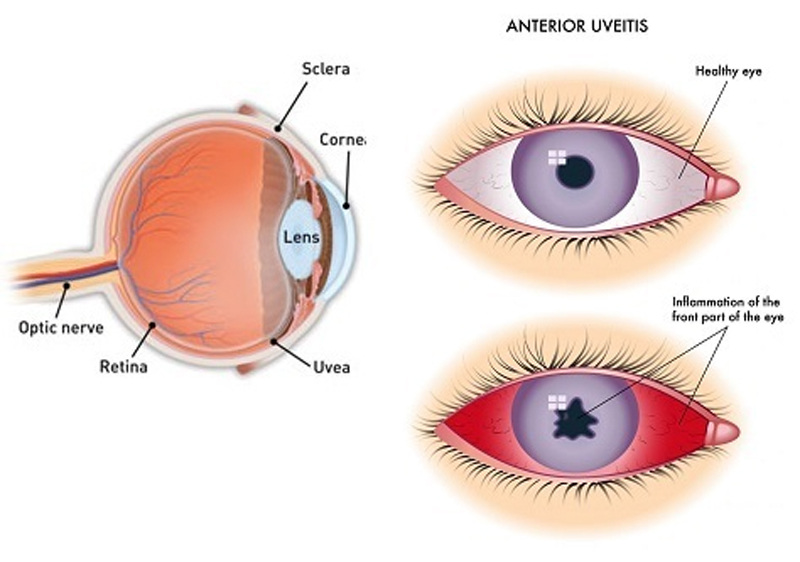
Uveitis refers to inflammation inside the eye, primarily affecting the uvea, which includes the iris, ciliary body, and choroid. The condition may develop suddenly or gradually and can affect one or both eyes. Uveitis may be associated with infections, autoimmune diseases, eye injuries, or may occur without a known cause.

Without timely treatment, uveitis can lead to complications such as glaucoma, cataracts, retinal damage, and permanent vision impairment.

Types of Uveitis

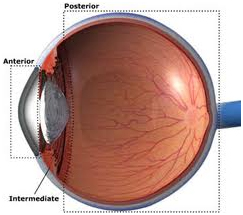
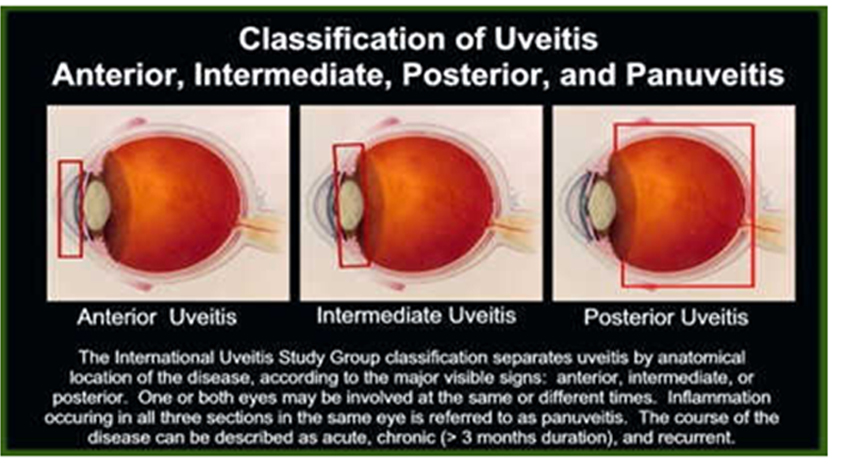
Uveitis can affect different parts of the eye, and symptoms vary based on the location and severity of inflammation. Identifying the type of uveitis is essential for accurate diagnosis and effective treatment.

Swipe to view complete details
Type of Uveitis Affected Area Common Symptoms
Anterior Uveitis Front part of the eye (iris) Eye redness, pain, light sensitivity, blurred vision
Intermediate Uveitis Middle part of the eye (vitreous) Floaters, blurred vision, mild discomfort
Posterior Uveitis Back of the eye (retina and choroid) Reduced vision, floaters, blind spots
Panuveitis Entire eye Severe inflammation, vision loss, eye pain, floaters

Causes of Uveitis

Uveitis can occur due to various underlying factors, including autoimmune conditions, infections, trauma, or sometimes unknown causes.

Autoimmune Disorders

  • Ankylosing spondylitis
  • Rheumatoid arthritis
  • Psoriatic arthritis
  • Inflammatory bowel disease
  • Sarcoidosis

Infections

  • Herpes virus infections
  • Tuberculosis
  • Toxoplasmosis
  • Cytomegalovirus (CMV)
  • Syphilis and other infections

Eye Trauma or Injury

Inflammation may develop after an eye injury, trauma, or surgical procedure.

Idiopathic Uveitis

In many patients, the exact cause remains unknown despite thorough medical evaluation.

Uveitis Diagnosis

Accurate diagnosis is essential for effective uveitis management. Our specialists use advanced ophthalmic evaluation and targeted investigations to identify inflammation and its underlying cause.

Detailed Eye Examination

Comprehensive evaluation of eye structures using advanced ophthalmic instruments to assess signs of inflammation.

Slit-Lamp Examination

Helps detect and evaluate inflammation in the anterior segment of the eye with high precision.

Dilated Retina Examination

Allows detailed assessment of the retina, choroid, and optic nerve to detect posterior eye inflammation.

Eye Pressure Measurement

Evaluates intraocular pressure to detect associated glaucoma risk and complications.

Laboratory & Systemic Evaluation

Blood tests and imaging studies may be recommended to identify autoimmune or infectious causes.

Uveitis Treatment Options

Treatment for uveitis is tailored based on the type, severity, and underlying cause of inflammation. The primary goal is to reduce inflammation, relieve symptoms, and prevent complications that may affect vision.

Anti-Inflammatory Eye Drops

Used to reduce inflammation, redness, and discomfort in mild to moderate cases of uveitis.

Corticosteroid Therapy

Steroid eye drops, oral medications, injections, or implants may be used for moderate to severe inflammation control.

Immunomodulatory Therapy

Helps control chronic or autoimmune-related uveitis by regulating the immune response over the long term.

Anti-Infective Treatment

Antibiotic, antiviral, or antifungal medications are prescribed when infection is the underlying cause.

Surgical Management

In severe or complicated cases, procedures such as vitrectomy may be required to manage inflammation and preserve vision.

Why Early Uveitis Treatment Matters

Why Early Uveitis Treatment Matters

Prompt diagnosis and early treatment of uveitis are essential to control inflammation, protect eye structures, and prevent long-term vision complications.

Prevent Permanent Vision Loss
Reduce Risk of Cataract Formation
Prevent Glaucoma and Increased Eye Pressure
Reduce Retinal Swelling (Macular Edema)
Lower Risk of Retinal Detachment
Prevent Chronic or Recurrent Inflammation

Regular follow-up with a uveitis specialist is essential to maintain long-term eye health and preserve vision.

Why Choose Abhishek Nethradhama for Uveitis Care?

Experienced Uveitis Specialists

Dedicated expertise in diagnosing and managing complex inflammatory eye diseases.

Advanced Diagnostic Technology

Comprehensive imaging and laboratory support for accurate diagnosis.

Personalized Treatment Plans

Tailored care based on the type and cause of uveitis.

Long-Term Disease Monitoring

Continuous follow-up to prevent recurrence and preserve vision.

Multidisciplinary Approach

Coordination with rheumatologists, immunologists, and physicians when systemic diseases are involved.

Areas We Serve

Uveitis Care and Treatment Services Across North Bangalore

We provide expert diagnosis, advanced treatment, and long-term management for uveitis and other inflammatory eye conditions for patients across:

Yelahanka
Hebbal
Jakkur
Vidyaranyapura
Sahakara Nagar
Thanisandra
Devanahalli
Doddaballapur
Airport Road
North Bangalore

Expert Uveitis Care & Inflammation Management

Our team is committed to providing advanced uveitis diagnosis, targeted anti-inflammatory treatment, and long-term monitoring to protect vision and prevent recurrence. We focus on personalized care for patients with infectious, autoimmune, and chronic inflammatory eye conditions.

Frequently Asked Questions

Yes. Sudden eye pain, redness, light sensitivity, or vision changes require immediate medical attention to help prevent complications.

If left untreated, severe or recurrent uveitis can lead to permanent vision loss. Early treatment significantly reduces this risk.

Yes. Uveitis can recur in some patients and may require ongoing monitoring and long-term care.

Treatment may include eye drops, oral medications, injections, immunotherapy, or surgery depending on the cause and severity.

Common symptoms include eye redness, pain, blurred vision, light sensitivity, and floaters.

Uveitis may be caused by infections, autoimmune diseases, eye injuries, or sometimes an unknown cause.

People with autoimmune disorders, infections, or a history of eye trauma may be at higher risk.

Diagnosis may include a detailed eye examination, slit-lamp evaluation, retinal assessment, and additional blood tests or imaging when required.

Yes. Uveitis can affect one eye or both eyes depending on the underlying condition.

No. Uveitis itself is not contagious, although some infections associated with uveitis may be.

Treatment duration varies from weeks to months depending on the severity of inflammation and response to treatment.

Untreated uveitis may lead to complications such as glaucoma, cataracts, retinal damage, and permanent vision loss.

Protect Your Vision with Early Uveitis Care

If you are experiencing eye redness, pain, floaters, blurred vision, or light sensitivity, schedule a comprehensive uveitis evaluation today. Early diagnosis and specialized treatment can help preserve your vision and prevent long-term complications.